

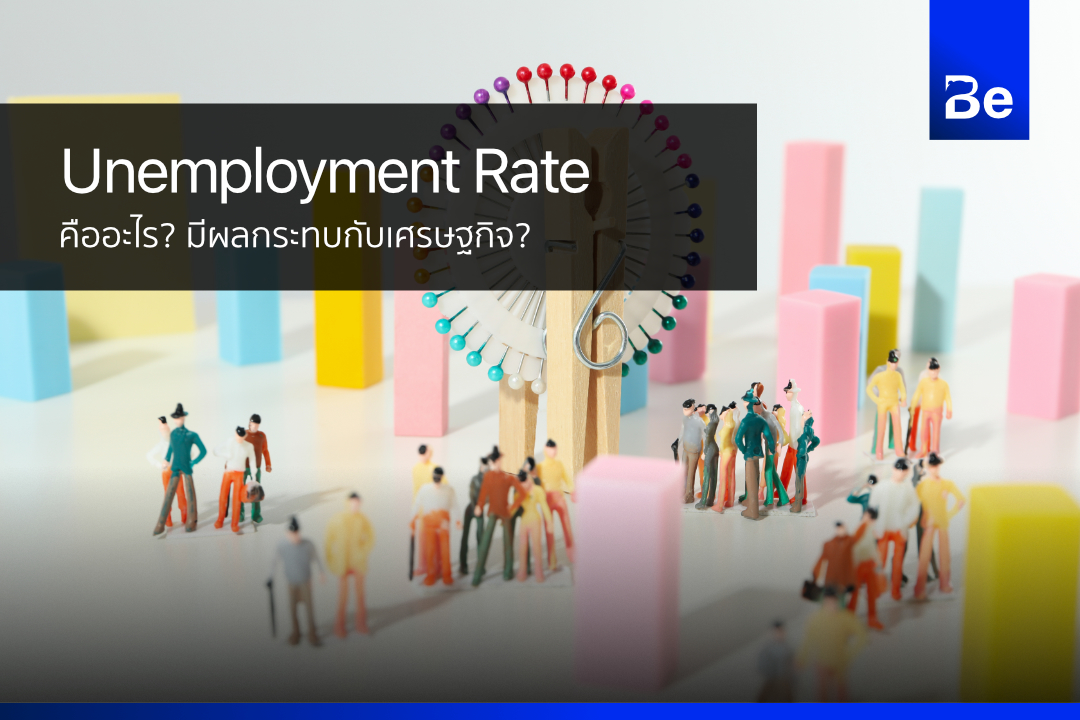
In the world of finance and economics, the word Unemployment Rate The "unemployment rate" is one of the key indicators that economists and investors must closely monitor, as it clearly reflects the health of the economy. Anyone interested in or studying economics and investment should have a clear understanding of the unemployment rate.
What is the unemployment rate?
Unemployment Rate This represents the proportion of the population in the labor force (aged 16 and above) who are unemployed and actively seeking work. It is expressed as a percentage of the total labor force. This data excludes those who are not actively seeking work, such as retirees, students, or those who have decided to stop looking for jobs.
The unemployment rate reflects the state of the labor market and is an indicator that helps economists and governments assess the strength of a country's economy. Understanding this data provides an overview of the current economic situation and potential future trends.
Different levels of the unemployment rate.
The unemployment rate is an important economic indicator that shows the percentage of the labor force that is unemployed and actively seeking employment. This includes all individuals aged 16 and older who are employed or actively seeking employment. It excludes those who are not seeking employment, such as retirees, students, or those who have stopped looking for work.
There are several ways to classify unemployment rates, but most often we look at the percentage level of unemployment, which can be divided into several groups as follows:
0-3% The unemployment rate is very low.
An unemployment rate of 0-3% indicates a very strong labor market in the country, with the majority of people employed. Very low unemployment rates often occur during periods of rapid economic growth.
- effectWhen unemployment rates are very low, the labor market may experience labor shortages, forcing employers to compete by increasing salaries or benefits to attract workers. This can lead to increased inflation and may signal that the economy is overheating.
3-5% Low unemployment rate.
Level 3-5% is considered to be near full employment. (full employment) This means the economy is efficient, and most people who want to work can find jobs.
- effectA low unemployment rate indicates a strong economy and a balance between demand and supply in the labor market. However, some unemployment occurs naturally, such as temporary unemployment or job changes.
5-7% Moderate to high unemployment rate.
This level indicates that the labor market is becoming more challenging and may be a sign of an economic slowdown, making it harder for people to find jobs, and reducing the demand for employment.
- effectHigher unemployment rates can lead to consumer anxiety and reduced spending, potentially causing an economic contraction. If unemployment remains high, it could be a sign of a larger economic crisis.
Low unemployment rates are often seen as a sign of a healthy economy, while high unemployment rates indicate economic hardship. Conversely, excessively low rates can indicate poor economic conditions and inflationary pressures.
How does this affect the financial markets?
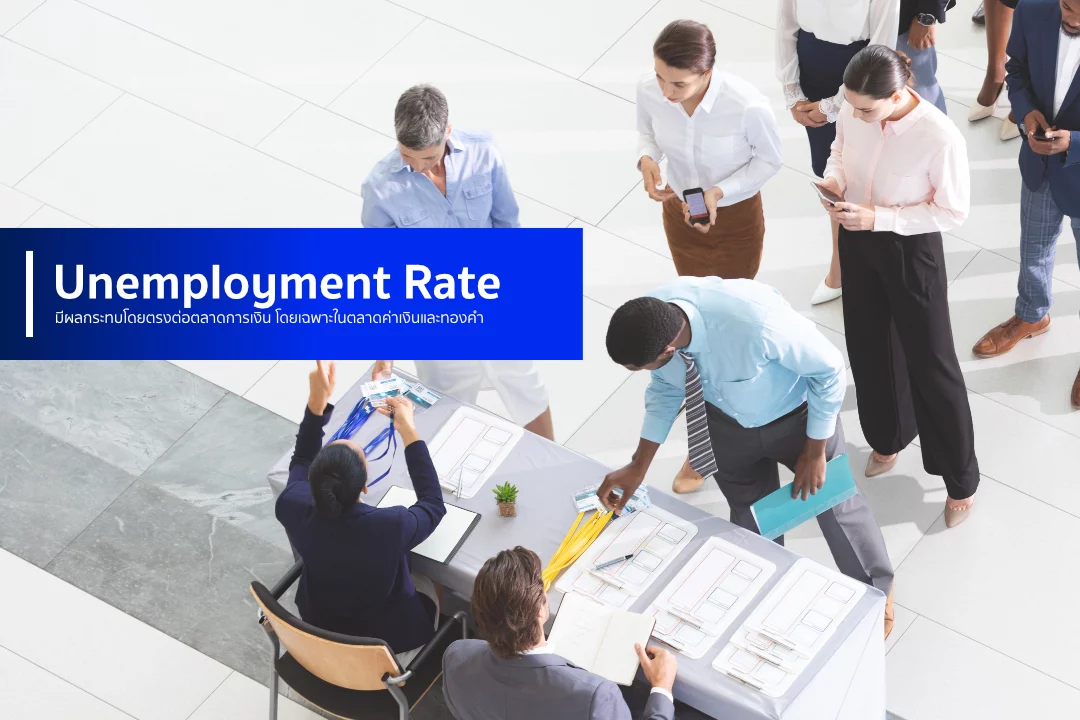
Unemployment figures not only reflect the current economic situation but also have a direct impact on financial markets, especially the currency and gold markets. Let's look at what those impacts are.
1. Impact on the US dollar (USD).
- The unemployment rate is low.If the unemployment rate comes in lower than analysts' expectations, the US dollar (USD) tends to strengthen because it is considered a positive sign for the economy, which may lead the Federal Reserve (Fed) to consider raising interest rates to control inflation.
- The unemployment rate is high.If the unemployment rate is higher than expected, the dollar may weaken because a weak labor market signals that the economy is in trouble. The Fed may have to cut interest rates or implement economic stimulus measures to restore employment.
2. Impact on gold prices.
The unemployment rate is high.When the unemployment rate rises, investors tend to look for... Safe assets Gold is a safe haven asset because stock and currency markets can be highly risky during economic slowdowns; therefore, gold prices tend to rise.
The unemployment rate is low.If the unemployment rate falls, investors may shift their money out of gold into higher-risk assets such as stocks or bonds, believing the economy is recovering. This would reduce demand for gold and potentially lower its price.
Why is the unemployment rate important to traders?
For traders, tracking unemployment figures is crucial, as it can clearly indicate trends in financial markets, including currency values and gold prices.
- It indicates the state of the economy. The unemployment rate is one of the most important economic indicators. When the economy is doing well and employment is high, traders often view it as a positive sign for financial markets, especially the stock market. This is because more people have jobs, leading to increased spending, resulting in higher sales and profits for businesses, which can cause stock prices to rise.
Conversely, a high unemployment rate indicates that the economy is facing challenges. Businesses may reduce hiring or close down. Reduced consumer spending impacts company sales and profits. Traders may sell stocks during this period to reduce risk. This is why the unemployment rate affects investor confidence in the stock market.
- Stimulate or delay interest rate adjustments. The unemployment rate has a direct impact on the central bank's policy decisions, in particular. Federal Reserve If the unemployment rate remains low for an extended period, the US central bank may view the economy as recovering too quickly and may raise interest rates. interest rate To control inflation.
- Adjusting interest rates has a significant impact on financial markets.
- if Fed When interest rates rise, the US dollar tends to strengthen because foreign investors will want to invest in higher-yielding assets such as US government bonds.
- When interest rates rise, companies' borrowing costs increase, which can impact their performance in the stock market and potentially lead to a decline in their share prices.
- Adjusting interest rates has a significant impact on financial markets.
For traders, predicting the direction of interest rate adjustments is crucial. If the unemployment rate indicates that the central bank may raise interest rates, traders might adjust their investment strategies, such as buying US dollars and selling riskier assets like gold and stocks.
- Adjust your trading strategy. Changing economic figures can signal traders to adjust their investment strategies immediately. For example, if unemployment figures are higher than expected, traders might adjust their portfolios to focus more on safe-haven assets like gold, or reduce their stock holdings to hedge against an economic slowdown.
Conversely, if unemployment figures are lower than expected, traders may choose to invest in riskier assets such as stocks or the US dollar, which tend to benefit from interest rate hikes.
Epilogue
The unemployment rate is a key indicator of the economic situation, showing the number of people who are unemployed and seeking work. This data influences central bank decisions, the movement of the US dollar, and gold prices. Traders should closely monitor this information as it can be used to predict market trends and develop effective trading strategies.
During Forex market press conferences, prices tend to be highly volatile. Without proper money management, this can lead to significant losses in your portfolio. XM Broker It's a good option, with valuable bonuses and promotions, and it helps manage capital effectively.
action Open an XM account. pass Besight It also comes with an automatic rebate program for every trade and a loyalty points program that allows you to redeem unlimited rewards.
![Picture of [ADMIN] Sunny](https://besight.net/wp-content/uploads/nsl_avatars/f9b7fe0ff756bf7bf6fc6f66a4adfe53.png)